Technical Scope

Navigating the technical complexities of Act 908 (Eli’s Law) requires more than just hardware—it requires a strategic compliance roadmap. We specialize in deploying a sensor ecosystem to meet the state's rigorous retention and audio mandates, while simultaneously managing the grant application process to ensure your district’s safety infrastructure is fully optimized and funded.

Understanding Eli's Law

Eli's Law, officially known as Act 908, is a legislative measure enacted to enhance school safety by mandating the installation of advanced security systems in educational institutions. The law requires schools to implement comprehensive surveillance and communication technologies to ensure a secure learning environment for students and staff.

  • The Mandate: Act 908 requires all Arkansas public and charter schools to install audio recording devices in "private" areas—specifically locker rooms and dressing rooms—to deter and document incidents of bullying or abuse.
  • The 90-Day Rule: By law, recordings must be retained for a minimum of 90 days. Our Triton solution automates this via secure cloud storage, eliminating the risk of manual deletion or hardware failure.
  • Privacy & Notifications: The law requires conspicuous signage notifying students of the recording. As specialists, we provide the specific signage and policy templates required to keep your district 100% legally compliant.
  • Control Access: Data can only be requested by administrators or parents with a specific allegation of wrongdoing. Our system features "Role-Based Access," ensuring only authorized personnel can view or "lock down" evidence.
Solution

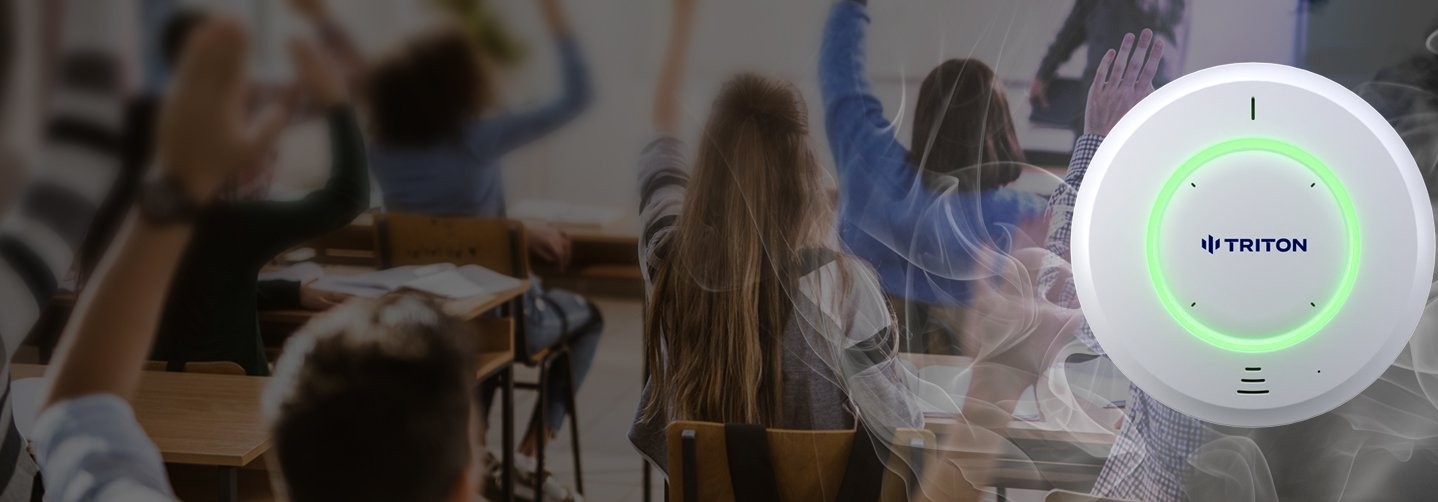
Mid Central Technology offers a turnkey solution for Eli’s Law by deploying the Triton Sensor Ecosystem, which automates mandated audio recording and 90-day cloud retention in private school areas. We manage the entire lifecycle—from the physical installation of tamper-proof sensors and required signage to securing full funding via the 2026 Arkansas School Safety Grant.

  • Beyond Audio: While the law mandates audio, the Triton sensor also detects vaping, THC, smoke, and aggressive noise anomalies (screaming or shouting) without the use of invasive cameras.
  • Keyword Detection: The "Key-Sense" technology recognizes specific emergency phrases like "Help" or "Stop," triggering an instant alert to administrators before a situation escalates.
  • Real-Time Alerts: Unlike traditional systems where you find out what happened after the fact, Triton sends SMS, email, or app notifications the moment a violation is detected.
  • Cloud-First Security: All data is encrypted and managed via the cloud, allowing for a "Turn-Key" deployment that doesn't strain the school’s internal IT bandwidth.

Funding & Grants

Understanding the financial aspects of implementing security systems under Eli's Law is crucial for educational institutions. Various funding options and grants are available to assist schools in covering the costs associated with these upgrades. MCT provides guidance on navigating these financial resources to ensure compliance without straining budgets.

  • 2026 Arkansas School Safety Grant: This is a primary vehicle for funding Eli’s Law compliance. Districts can receive a $25,000 base amount plus an additional $19.00 per student (based on Oct 2025 enrollment).
  • Deadlines: The current grant window is active January 1st, with applications typically due by late February for the upcoming cycle. We act as your consultants to ensure your application is filed correctly and on time.
  • Alternative Sources: We also navigate federal opportunities like the COPS School Violence Prevention Program (SVPP), which offers up to $500,000 for technology that improves emergency notifications.
  • Specialist Service: We don't just tell you the grants exist; we provide the technical "Scope of Work" documentation you need to attach to your grant applications to ensure approval.

Action Steps

For more information on how Mid Central Technology can assist your institution in complying with Eli's Law, please reach out to our dedicated team. We are here to provide expert guidance and support throughout the entire process, from initial assessment to full implementation.

  • Project Lifecycle: We handle everything from the initial site survey and grant consultation to the final physical installation and cloud configuration.
  • Next Step: Schools can schedule a Compliance Audit to see a live demo of the Triton dashboard and receive a customized funding roadmap for their specific district.

Locker Room Secure

Locker Room secure system is inspired by Eli’s Law, which in Arkansas mandates that by the 2027-2028 school year, public schools must install audio recording devices in locker rooms. The law, officially passed as House Bill 1866, aims to address issues like bullying and misconduct that have been reported in locker rooms. Key points:

  • Audio Recordings in each locker room
  • Clear notification to students and staff there is audio recording device in room
  • Storing audio recordings for at least 90 days
  • Authorized access only to recordings

Nonprofit Security Grant Program (NSGP)

Strategic Value: High-risk nonprofits that face unique threats. This funding allows organizations to implement "target hardening" without diverting funds from their core mission.
Summary: Administered by FEMA, this funds physical security enhancements (like cameras, gates, and reinforced entries) for 501(c)(3) organizations at high risk of a terrorist or extremist attack.
Forecasted Opening: Spring 2026 (State-level deadlines often begin appearing in March/April, with the federal window following).

COPS School Violence Prevention Program (SVPP)

Strategic Value: Creating a safe learning environment requires integrated technology and law enforcement coordination. This grant covers the high costs of hardware and training to prevent incidents before they occur.
Summary: Managed by the DOJ, this program provides up to 75% funding for school safety measures, including emergency notification systems, metal detectors, and law enforcement training.
Forecasted Opening: April 2026

Community Facilities Grant Program

Strategic Value: Rural municipalities often struggle to afford the "backbone" infrastructure required for public safety. This program subsidizes the cost of critical buildings and vehicles that keep small towns functioning.
Summary: A USDA program for rural areas with populations under 20,000. It funds "essential" facilities, ranging from fire stations and hospitals to libraries and public works vehicles.
Forecasted Opening: Year-Round / Rolling Basis. Unlike others, applications for this program are generally accepted on an ongoing basis throughout the fiscal year.

Body-Worn Camera Policy and Implementation Program (BWC PIP)

Strategic Value: Modern policing requires high levels of transparency and digital evidence management. This program assists agencies in navigating the complex financial hurdles of recording and storing police interactions.
Summary: This DOJ grant supports the purchase of body-worn cameras while requiring agencies to develop robust policies regarding privacy, data storage, and the digital evidence lifecycle.
Forecasted Opening: January / February 2026

Small Rural School Achievement (SRSA)

Strategic Value: Rural schools often lack the tax base of urban districts. This grant provides flexible, non-competitive funding to bridge the resource gap, allowing small districts to compete academically.
Summary: A formula-based grant for small, rural local educational agencies (LEAs). It allows districts to consolidate certain federal funds to better address local needs, such as hiring specialists or updating classroom technology.
Forecasted Opening: February 2026

Technical Scope